Unexpected Wins of Sky Lasers in Cold-Weather Cities?
A Clear Night, A Clear Signal
Here’s a straight claim: the cleanest way to guide crowds at night is a narrow line, not a giant glow. A sky laser makes that line without flooding every window on the block. Modern sky lasers turn the skyline into a simple map—follow the beam, find the place (easy as that). Picture a Family Day crowd in Montréal, mittens on and heads up, watching a crisp column mark the rink from two kilometres out. Many pro units pull 1–2 kW and keep beam divergence under 1 mrad; older searchlights can guzzle 4–6 kW and spill light in every direction. That means fewer complaints from neighbours and better use of every lumen. So why do many venues still rent cranes with flood bars or wheel in diesel towers?
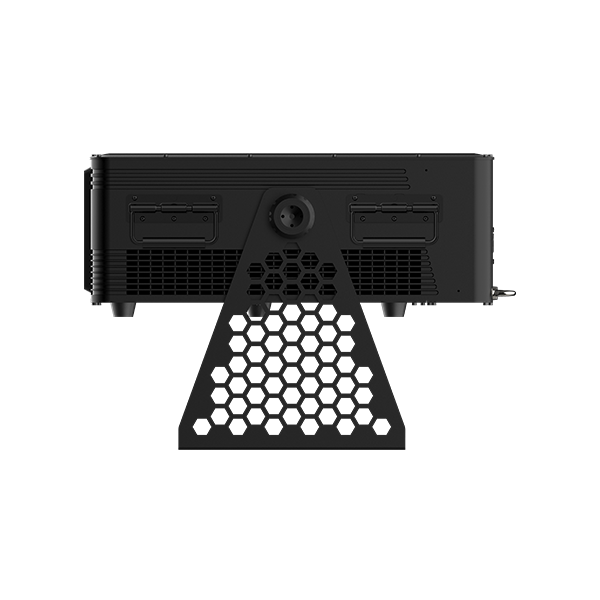
Because the “more light equals more clarity” idea is sticky. Yet it breaks down in winter air and tight urban grids—funny how that works, right? Let’s peel back the setup problems, then compare what’s next.
Why the Old Playbook Struggles in the Sky
Traditional fixes aim wide. Floodlights paint whole blocks; fireworks spark joy but add smoke and fallout; drone swarms need pilots, permits, and dry air. In each case, you light everything to point to one thing. That creates light trespass and wasted energy. It also invites wind and snow to smear the scene. Sky lasers flip that logic. With low beam divergence, they send a narrow, readable cue that remains visible even when the air is busy. Galvanometer scanners can draw arrows or safe fan patterns without blasting façades. Many units run on standard power converters and single-phase feeds, so you skip big generators. Look, it’s simpler than you think—and safer when paired with proper interlocks and IEC 60825 workflows.
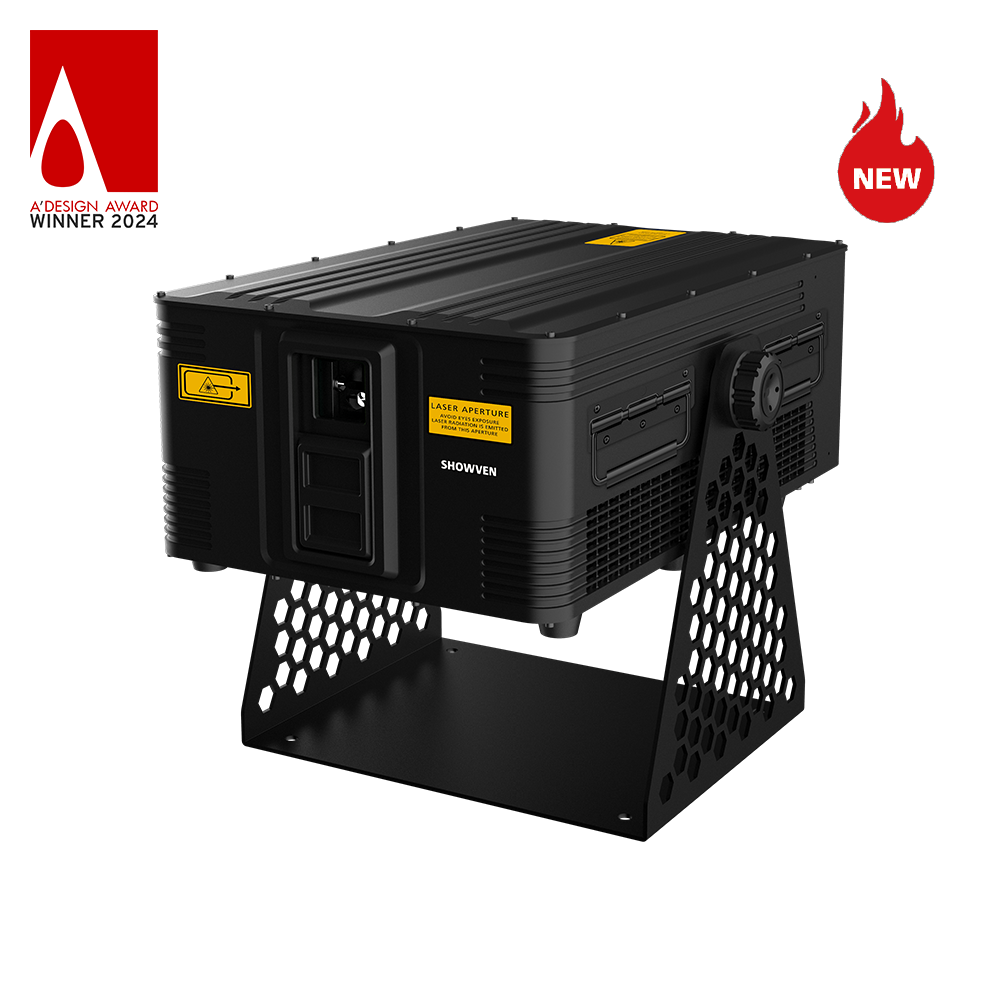
What breaks first?
Setup time and reliability, usually. Tower lights need cranes, ballast, and aiming. Drones hate gusts and ice. Fireworks are one-and-done. But sky lasers ship in IP65 housings, with heaters and thermal management that shrug off cold snaps—and yes, even in February. Auto-home features, IMU sensors, and GPS timecode reduce alignment errors. Operators can cap power and add optical attenuation to keep beams compliant near airports or observatories. The hidden pain point for users is cognitive: people don’t want more light; they want a clear anchor. A narrow beam gives them that anchor fast, without the halo of glare that makes eyes work harder. Less fatigue, less wandering, more flow to the gate or plaza.
Comparing Paths: New Principles, Real Trade‑offs
Under the hood, today’s systems lean on solid-state diodes and fast scanners to draw stable vectors that hold up in mixed weather. Beam shaping, photodiode feedback, and soft-start power stages keep output steady as temperature shifts. Edge computing nodes sync multiple heads across a site, so you can stage a citywide pointer without latency drift. Some heads can pivot from event signaling to permanent accent work as an architectural laser, which beats buying separate gear for each job. Are there trade-offs? Sure. You must site devices wisely, set no-fly zones, and use geofencing when close to air corridors. But the principle is clear: concentrate photons where they matter and let galvanometers do the drawing. Less spill, more meaning—funny how the smallest line delivers the biggest direction.
What’s Next
From here, expect more autonomy and better safety logic. Thermal management will get smarter, with sensors trimming output before frost or heat soak shift the optics. Expect redundancy in scanning mirrors and watchdogs that park beams in microseconds if a sensor misreads. Control stacks will broaden, too: timecode, DMX, and network APIs will sit beside local failsafes. That brings us to choosing tools. Focus on three checks: 1) Output vs beam divergence in mrad, because a tighter beam reads farther with lower wattage; 2) Environmental headroom—IP rating plus real thermal margins that keep diodes happy in snow and slush; 3) Safety and control depth, including aircraft-aware masks, photodiode monitoring, and logs that make compliance simple. Get those right and your winter city gets a bright, calm cue that people trust. For a clear starting point, see Showven Laser.
You May Also Like

Agen123 and the Positive Spirit of New Beginnings

The Difference Between Cash Casino and Credit Casino Accounts